In this week’s Torah portion, Parashat Vayera, Abraham sees three strangers approaching and immediately welcomes them. He does not wait for an invitation or wonder whether someone else should respond. He sees a need and moves toward another human being, with no agenda other than warmth and kindness.
What makes this encounter especially meaningful is that Abraham himself is recovering from a painful experience. Yet, despite his own discomfort and pain, he remains attentive to others. His actions remind us that even while carrying our own burdens, we have the capacity to recognize the humanity of another person.
After many years as a rabbi, I have come to believe that some of life’s most meaningful moments are the quiet ones and what we do unnoticed without the need for public recognition.
In this portion, Abraham’s hospitality reminds us that kindness is rarely measured by presentation. More often, kindness appears in a warm greeting, a thoughtful conversation, or the willingness to remain present when someone is struggling. Such moments may seem small but are often the most profound ways we can help others.
Over the years, I have sat with people during moments of extraordinary joy and profound loss. Those experiences have taught me that we do not always need perfect words to offer healing. Often, a person simply needs to know that someone else sees them or hears them, and to know they are not walking alone. How we treat others is the core to this very portion.
When I think of the story of Vayera, today, more than before, I see how it may correlate to civility around the world. Jewish tradition teaches us to care for the stranger, for we, too, were once strangers in a foreign land. Abraham did not first question the worthiness of those approaching his tent. Instead, he recognized their humanity and the soul of another human being.
May Vayera stand as a lesson we must carry into our own lives: How we treat a stranger, our neighbors and those beyond our close connections.
And perhaps that is where the greater challenge lies, for kindness is easy to speak, but not always easy to practice. How often do we overlook someone else’s struggles while tending to our own? How do we respond to people whose beliefs differ from ours, or whose circumstances we may not fully understand?
When I see acts of kindness, I notice the societal pressure to share it online. But I ask you to consider why. What compels us to share so much of our lives with others? Is our satisfaction found in the good we do, or in the recognition we receive?
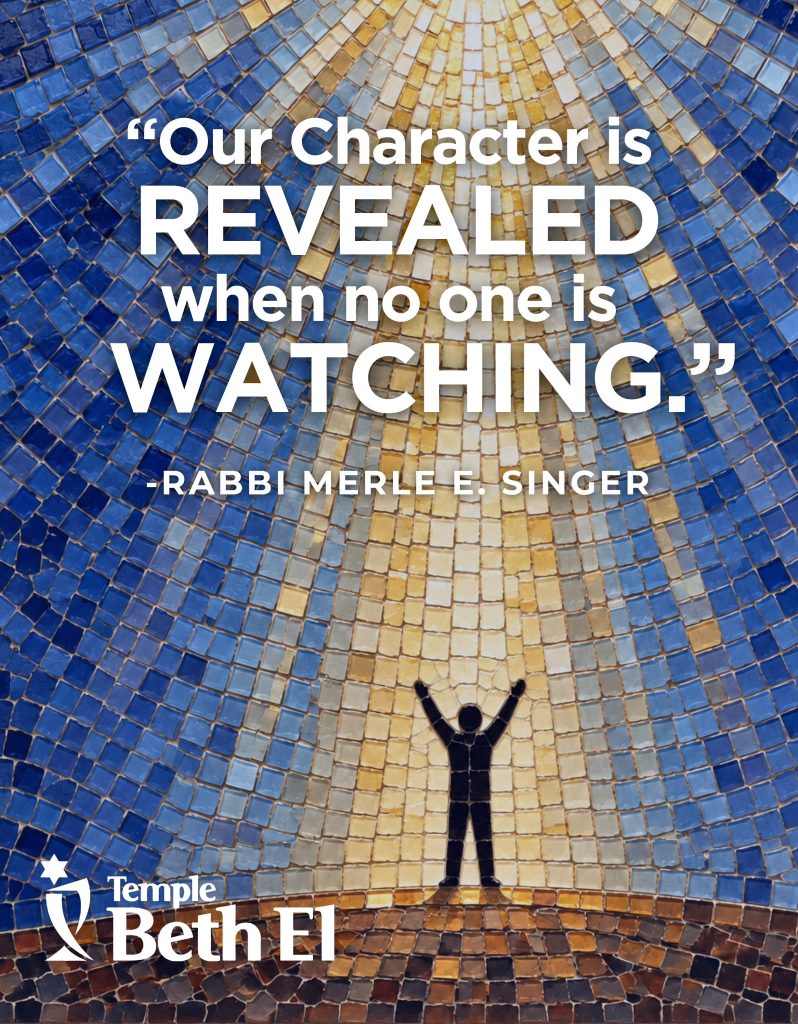
Our true character is not a post awaiting recognition, or how we dress or look to the outside world. Our Character is revealed when no one is watching.
I ask you to consider these questions: How do you treat someone who has nothing to offer you in return? How do you speak to those closest to you when you are tired or frustrated? Do your private actions reflect the values you express so readily in public or online? If so, then the need for applause should be of no importance, rather the purity of your actions with no stage to perform.
Abraham opened his tent, but his example reaches far beyond hospitality. He reminds us that an open heart requires more than good intentions. We must be willing to recognize another person’s dignity, even when doing so asks something of us
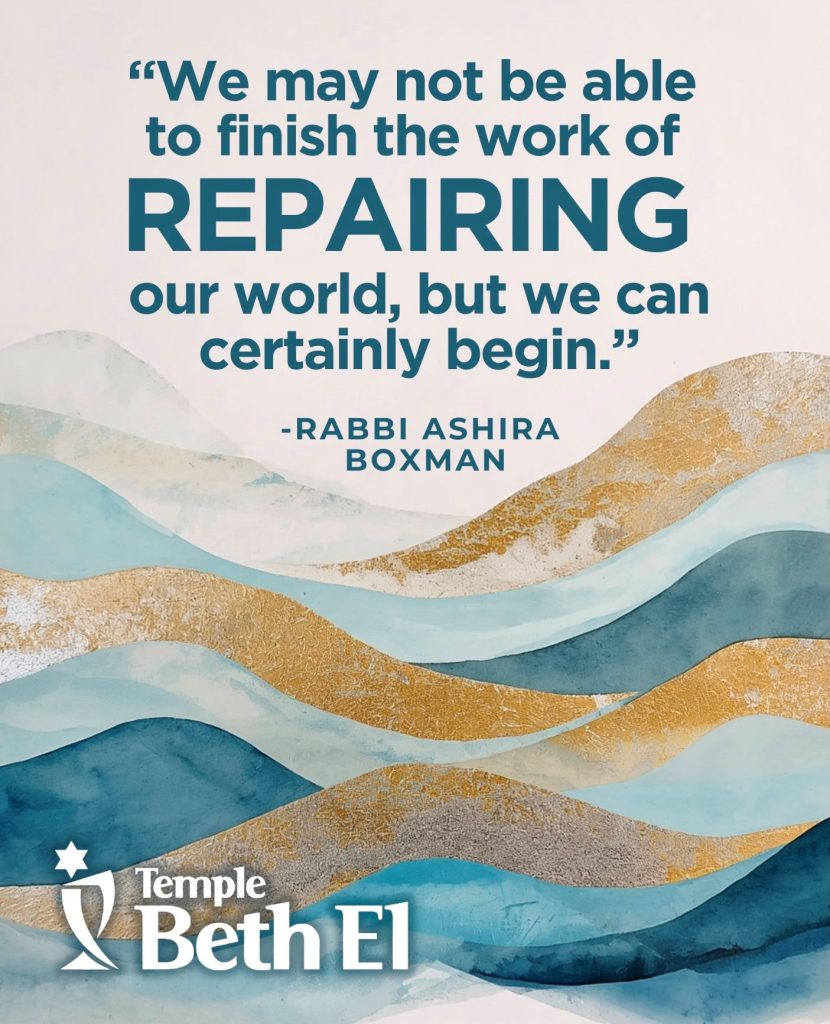
We cannot always change another person’s circumstances or remove the pain they carry, but we can choose how we meet others along the way. Years from now, someone may not remember what we said or did, but they will remember how we treated them when they needed kindness most.
Like Abraham, our task is to keep finding ways to open our hearts and let compassion lead the way. May this Torah portion be part of your Yom Kippur commitment, and how you can give hope to others while helping shape a society that is built on authenticity and kindness.
Shabbat Shalom,
Rabbi Emeritus Merle E. Singer